


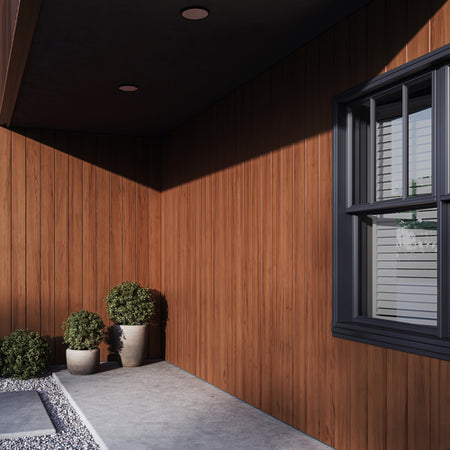
Thermally Modified Wood
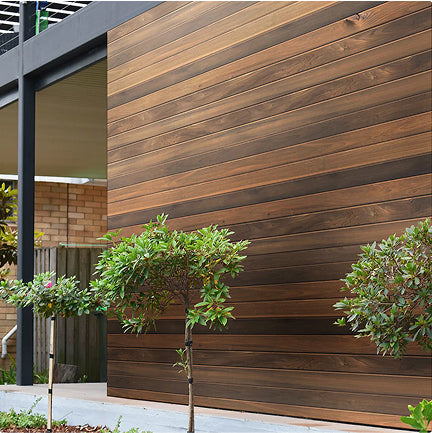
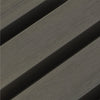
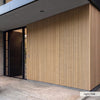
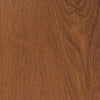
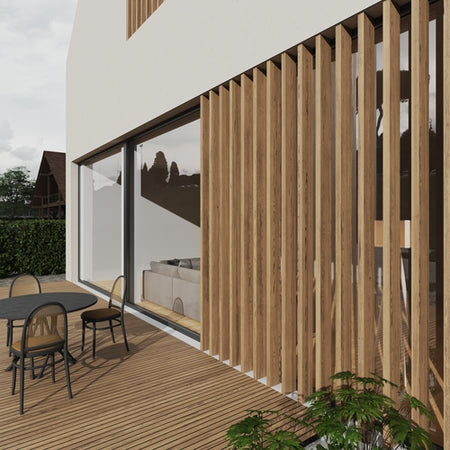
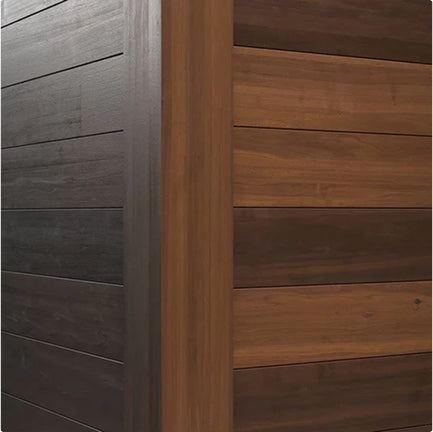
The thermal modification process fundamentally strengthens the wood, boosting its durability, dimensional stability and resistance to rot, pests and harsh weather.
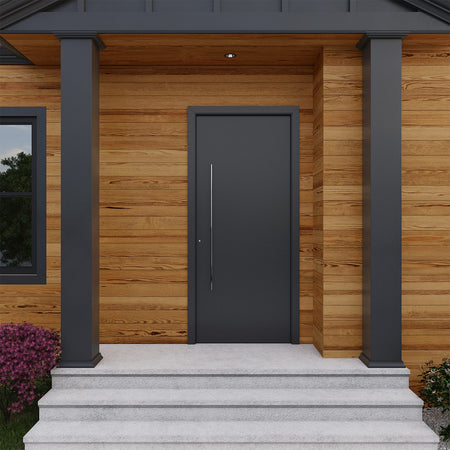


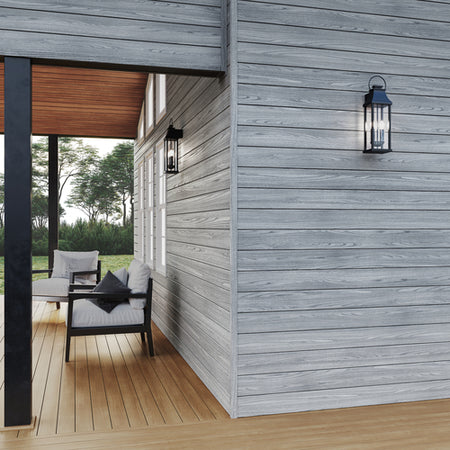
Composite Collection
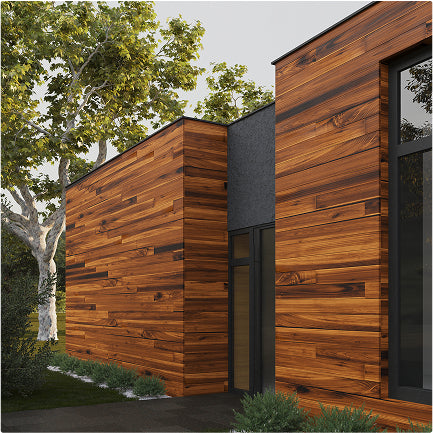
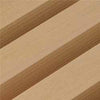
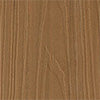
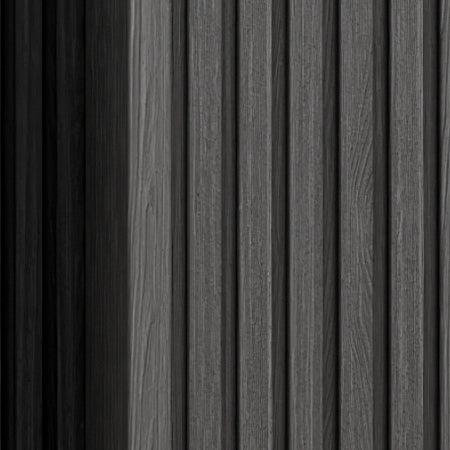
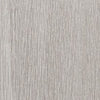
Crafted from a blend of real wood fibers and high-density plastics, giving you the look of real wood without the cost or upkeep. Suitable for all climates.
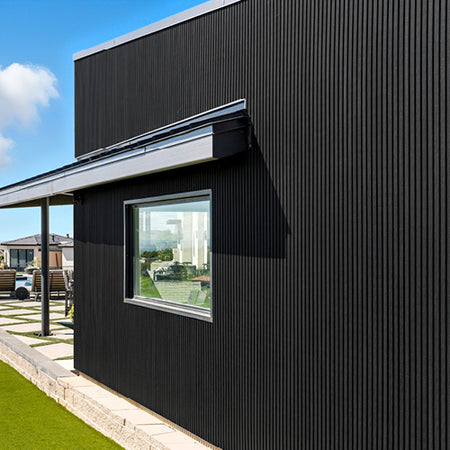

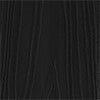


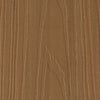
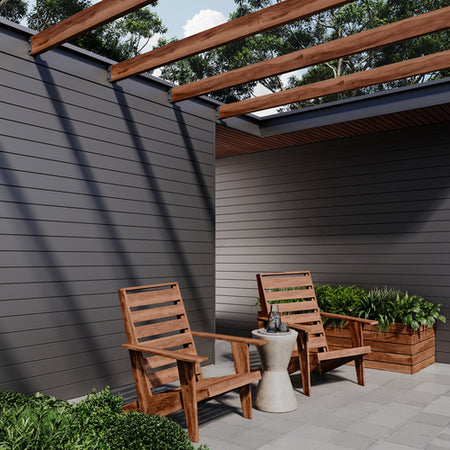
Aluminum Siding
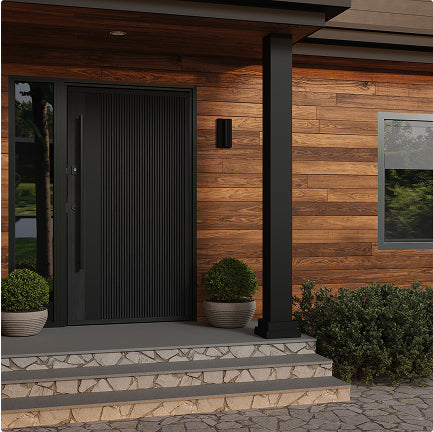
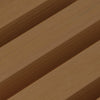
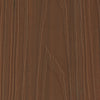
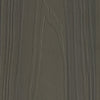
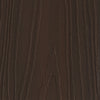
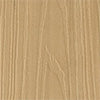
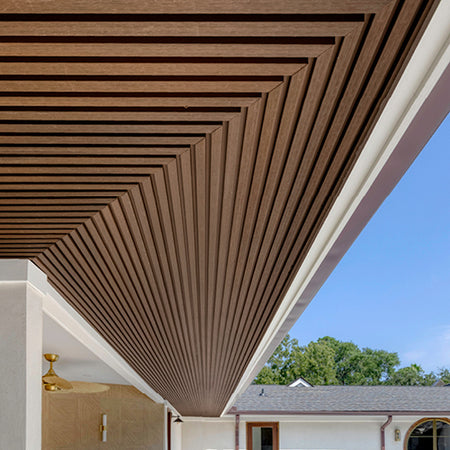
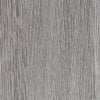
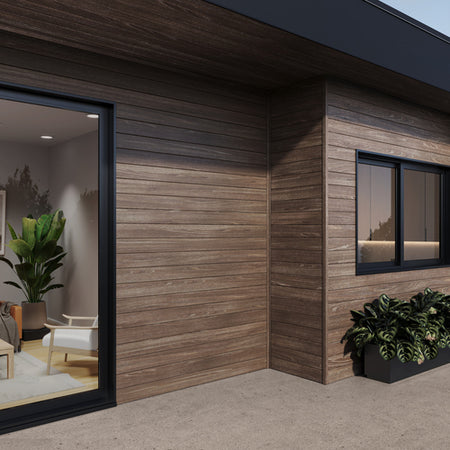
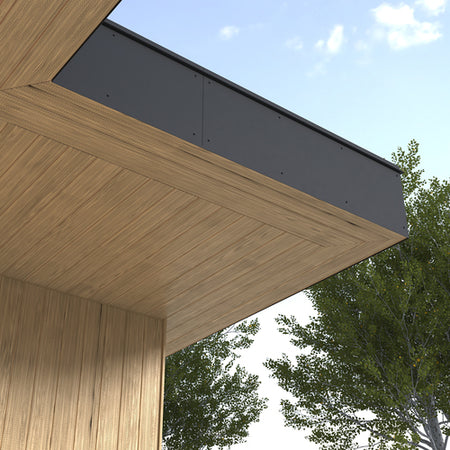
Embrace the elegant, natural look of wood with the durability of aluminum. This siding requires zero maintenance and meets all commercial building codes.
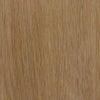
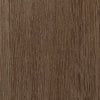


More Exterior Finishes
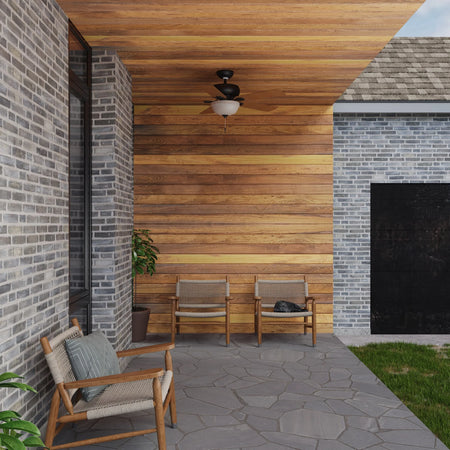
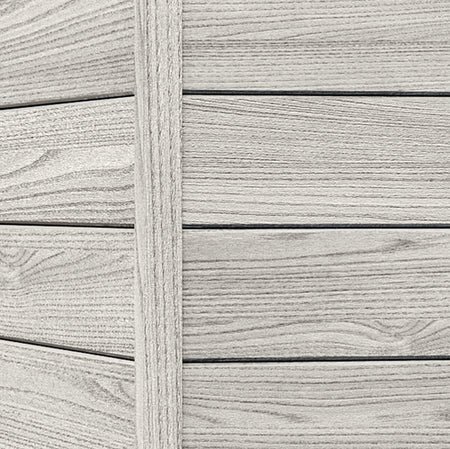
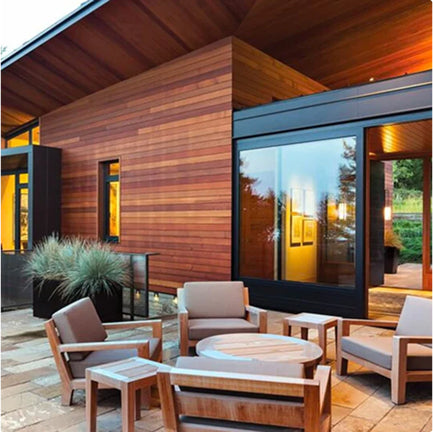
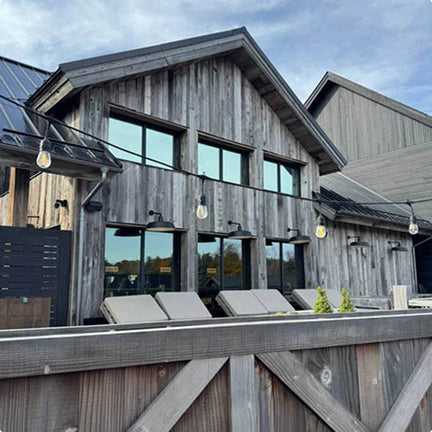
Browse our featured collection of real wood finishes. Don’t see something you’re looking for? Contact us.

Can’t Decide What Product?
Each type of cladding has its benefits. Use this chart below to help decide what product is best for your project.
Thermally Modified Wood
Aluminum
Composite
Other Wood
Wood Aesthetic

Budget
$-$$
$$$
$
$$
Ease of Installation
DIY or Contractor
Contractor Required
DIY or Contractor
Varies
Weather & Water Resistance
Maintenance Requirements
As Needed
None
None
Varies
Fire Rating
Class B
Class A
Class C
Varies
Commercially Approved
Wood
Aesthetic
Aesthetic
Budget
Ease of Installation
Hardware Requirements
Weather & Water Resistance
Maintenance Requirements
Fire Rating
Commercially Approved
Other Wood
$$
Varies
None
Varies
Varies
Elevate Your Home With Durable Exterior Siding at WoodPlank
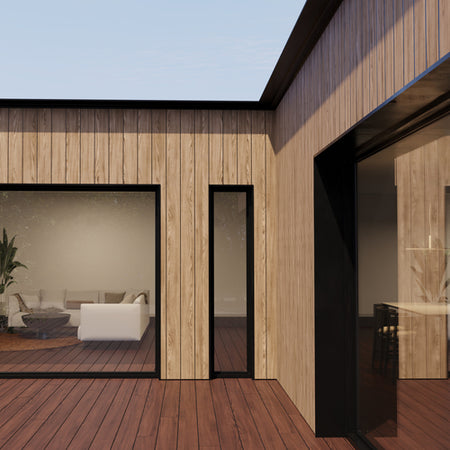
Exterior siding protects the wall structure from weather, moisture, and temperature swings - but it also defines how your building looks from the street. You can create something you’re proud of with our house siding collection here at WoodPlank.
Our selection covers four material categories: real wood, composite, thermally modified wood, and aluminum, across multiple profiles, species, and colors. Call (844) 755-9663 for help narrowing down the options, or order free samples to compare materials in person first.
The Different House Siding Types We Stock
We have a lot of different options to choose from here at WoodPlank, but it doesn’t have to be overwhelming. We’ve spent over 20 years guiding homeowners and contractors through this decision.
Want real wood with long-term durability? Our Thermowood siding collection is your best bet. You can choose from thermally modified poplar siding, ash siding, hemlock siding, pine siding, and the Modern Exterior wood cladding line. All these products are engineered for moisture resistance without chemical preservatives. Cedar siding doesn’t need to be thermally modified because its natural oils make it resistant to rot and decay.
Prefer less upkeep? Composite delivers a wood-like look without the maintenance hassles. It’s the option more and more homeowners (and contractors) are choosing because it lasts in excess of 25-30 years and looks beautiful.
Going modern or commercial? Aluminum exterior siding comes in seven finishes with virtually no ongoing care.
Remember, personalized support is just a click or call away. Our team is here to help make your vision a reality, whether you’re working on a new build or renovating your home’s exterior. Reach out now at (844) 755-9663.
Frequently Asked Questions
It protects your home from rain, wind, UV exposure, and extreme temperatures. You can also use house siding to effortlessly boost curb appeal.
Depends on the material. Thermowood siding and composite siding can last in excess of 25-30 years with proper care. The difference is real wood siding comes with annual maintenance needs. Composite siding is maintenance free. Cedar can match or exceed that. Aluminum lasts the longest since it can’t rot, warp, or absorb moisture. Climate, installation, and maintenance all impact longevity, though. One-size-fits-all answers are unrealistic for something like this.
Appearance, maintenance commitment, or budget - which of these matters most to you? Narrowing that down makes it easier to choose your home’s siding. Wood house siding has the richest texture and grain but needs the most upkeep. Composite looks similar with less work. Aluminum suits sleek, modern designs with virtually zero ongoing maintenance. Our advice? Order samples from WoodPlank and see what you prefer in person.
Face nailing, blind nailing, or hidden clip systems. The optimal approach depends on the profile and material. Thermally modified wood should be pre-drilled at fastener points to prevent splitting. Use stainless steel or coated fasteners on all wood species to prevent corrosion staining. Boards can run horizontally or vertically, depending on the design.
Wood has natural insulating properties that metal and composite don't. Honestly, though, the insulation behind the siding matters more than anything else. So does proper installation with sealed joints (no gaps). Get those factors right to maximize energy performance.