


Shop All Thermally Modified Wood Products
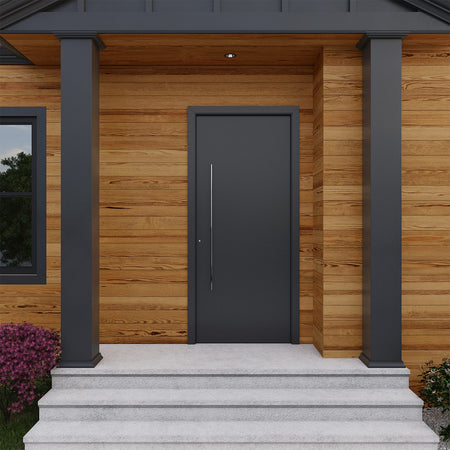


Real American Lumber
Crafted from 100% American-grown species offering a beautiful & versatile range of options.
Made from 100% American lumber for authentic beauty.

Water & Weather Proof
Thermal modification lowers moisture content for dependable performance in every climate.
Performs in any climate, from heavy rain to extreme heat.

Rot & Pest Resistant
With lower moisture content, the boards are naturally resistant to termites, mold, and decay.
Naturally resistant to termites, mold, and decay.

Stable & Durable
Strengthened at a cellular level, minimizing warping, shrinking, and splitting.
Minimizes warping, shrinking, and splitting for lasting strength.
Get Inspired
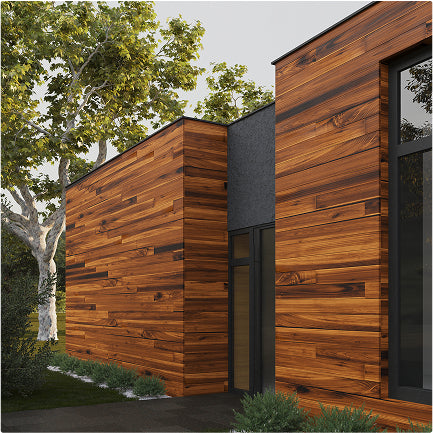
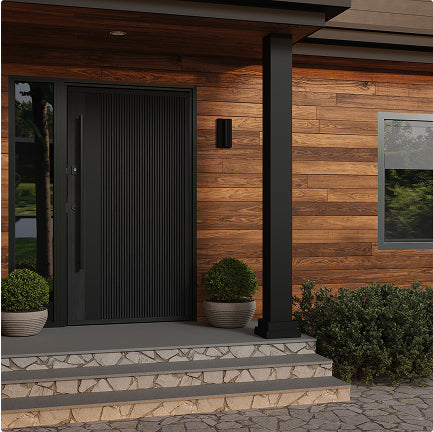
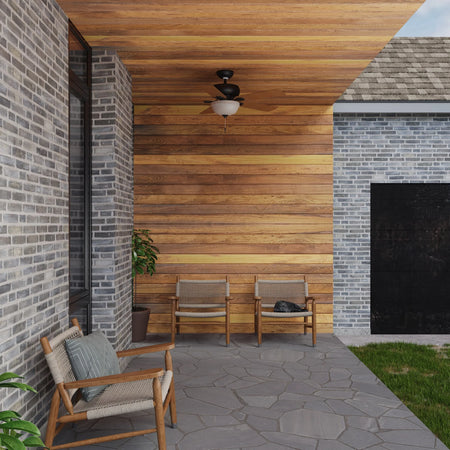
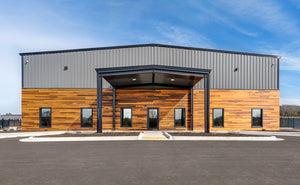
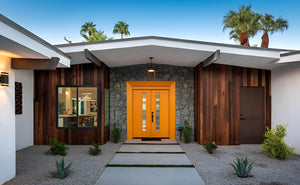
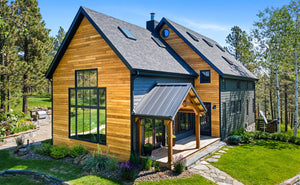
From lakeside cabins to commercial buildings, see how designers, architects, and homeowners use thermally modified wood to bring warmth, contrast, and natural texture to modern exteriors.

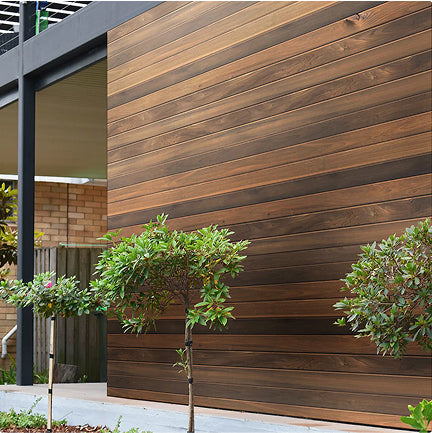
Arizona | Modern Exterior Cladding in Thermo Ash




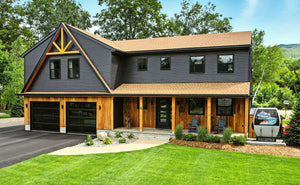
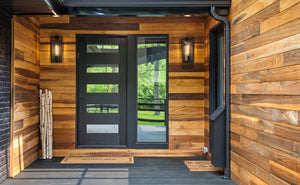
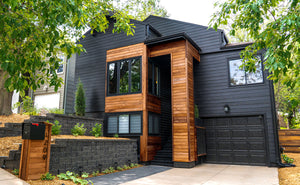
Thermowood Cladding That Withstands the Elements For Decades and Looks Stunning Along the Way
Our thermowood cladding is real wood treated with high heat and steam instead of chemicals. It resists moisture, rot, and warping in ways that untreated wood siding can’t match. Four species, multiple profiles, and a rich color that only thermally modified wood delivers.
Order a free sample to see the grain and tone in person before you commit to a full order.
Different Types of Thermally Modified Wood Cladding We Specialize in
Each wood species responds differently to thermal modification. The nuances you’ll notice are:
- Color
- Grain pattern
- Density
Even performance characteristics shift based on the species you start with. That’s why we made it a point to stock thermally modified wood cladding in a multitude of options, so you never feel boxed in. The possibilities are endless for your project when you source from WoodPlank.
Ash
Ash is a hardwood, and thermal modification pushes its natural durability even further. The treatment produces a deep, warm brown tone with a smooth, consistent grain. Super clean and contemporary. It resists moisture absorption very well, so there’s less expansion and contraction as seasons change.
We carry thermo ash in our Modern Exterior line and as Wide Plank cladding in 1x8 and 1x10 boards with V-Joint, Nickel Gap, and S4S profiles. You can’t go wrong with ash for any project that calls for a refined exterior backed by hardwood performance.
Poplar
Poplar is classified as a hardwood, but it's lighter and softer than ash. That’s a benefit when it comes to handling and installation. The lighter weight means less strain on fasteners and substructure, and it cuts cleanly without the resistance of a denser hardwood. Thermally modified poplar takes on a warm, even tone with a more uniform grain pattern than ash or pine.
Available in our Modern Exterior line as Thermo Poplar and Light Poplar, and in Wide Plank profiles. A great choice for thermowood cladding when you want hardwood classification without the demands that come with a heavier species, like ash.
Hemlock
Hemlock is a softwood, but it doesn't look like one with a grain that’s tight, even, and naturally low on knots. It looks polished and works wonderfully on contemporary homes and commercial facades where you crave visual consistency. Hemlock turns a golden-brown color through thermal modification - between the darker tones of ash and the warmer honey shades of pine.
We offer both sealed and unsealed thermo hemlock cladding. Choose whether the protective finish is factory-applied or applied on-site after installation. Hemlock is among our more expensive thermowood siding options, but you get what you pay for and it’s worth every penny.
Pine
Pine is the most popular species in global thermowood production, and you can see why in our Thermo Clear Grade Pine - minimal knots, a clean surface, and warm golden-brown color from the thermal process (no stains or chemical treatments). Pine is the lightest and most workable species in this collection. Practical for large-area installations.
Pine is also the most accessible entry point in our thermowood lineup at $179.99 per 15 square feet. You get genuine thermowood cladding performance at a lower per-square-foot cost than the hardwood options for more extensive exterior siding projects.
Installing and Caring For Thermowood Siding
Installation is no different from traditional wood siding - face-nailed, blind-nailed, or hidden clip systems depending on the profile. Boards run horizontally or vertically (we have a full collection of vertical siding).
Use stainless steel or coated fasteners to prevent corrosion staining, and pre-drill all fastener points since thermally modified wood can be more brittle than untreated lumber.
UV protection is the main ongoing task. Thermowood siding weathers to a silver-gray over time if left unfinished. It doesn’t lose structural integrity, but the original warm color fades. Preserve the brown tones by applying a UV-protectant oil after installation. Recoat every 1-3 years (depending on your climate and sun exposure).
Frequently Asked Questions
Wood that's been heated to extreme temperatures using steam and heat - no chemical treatments at all. The process changes the wood’s cell structure so it absorbs less moisture, resists rot and fungal decay, and holds its shape through weather changes. It also gives the wood a richer, darker color than its untreated version.
25 years or more in exterior applications. The thermal process drastically reduces the moisture content that leads to rot and fungal growth - the most common culprit behind untreated wood failing outdoors. Reapply UV-protectant oil on a regular schedule to preserve the surface.
Sample answer goes here.Yes. Thermowood is more dimensionally stable since the thermal process specifically targets moisture absorption. Expect less swelling/warping and better shape retention over time. We can help you choose between thermowood and cedar siding since we carry both here at WoodPlank.
Sample answer goes here.
The thermal process impacts the wood's flexibility to some degree. We recommend pre-drilling for fasteners to avoid splitting. It weathers to gray without a UV-protectant finish, so there is some ongoing maintenance if you want to keep the original color. It also costs more per square foot than standard untreated wood siding. Most homeowners and contractors find the benefits outweigh the downsides, though.
Yes, especially for exterior cladding when you want the look and feel of natural wood without untreated lumber’s short lifespan. Thermowood cladding doesn't need chemical preservatives, holds its dimensions through seasonal changes, and outlasts standard wood siding by a massive margin. Order a free sample to compare the options in person before deciding.
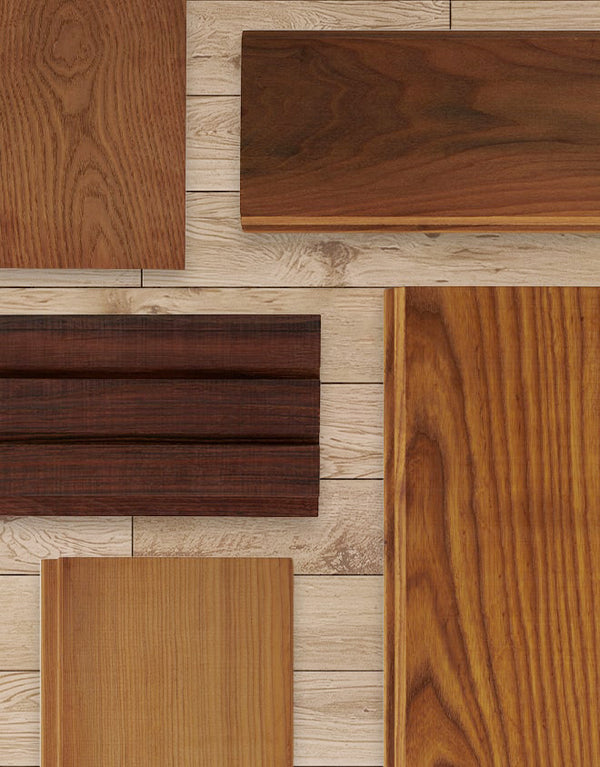
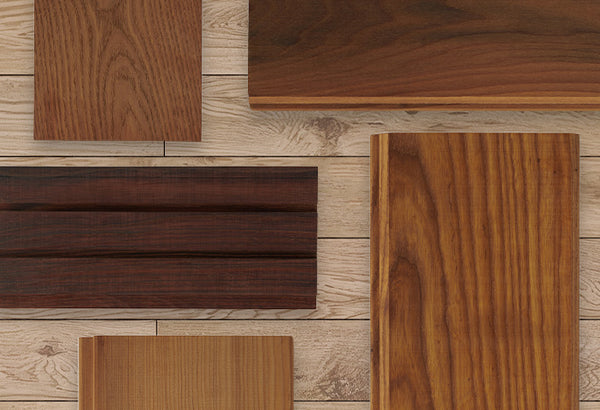
Order Free Samples
Feel the texture, see the color, and choose with confidence. All samples ship fast and include a $25 credit toward your next order.
Get Free Samples
Installation Guides
Clear, step-by-step instructions to help you install with confidence, whether you’re working on a full facade or small accent wall.
View Now